

The Worship of Wealth
When it’s a question of money, everyone is the same religion
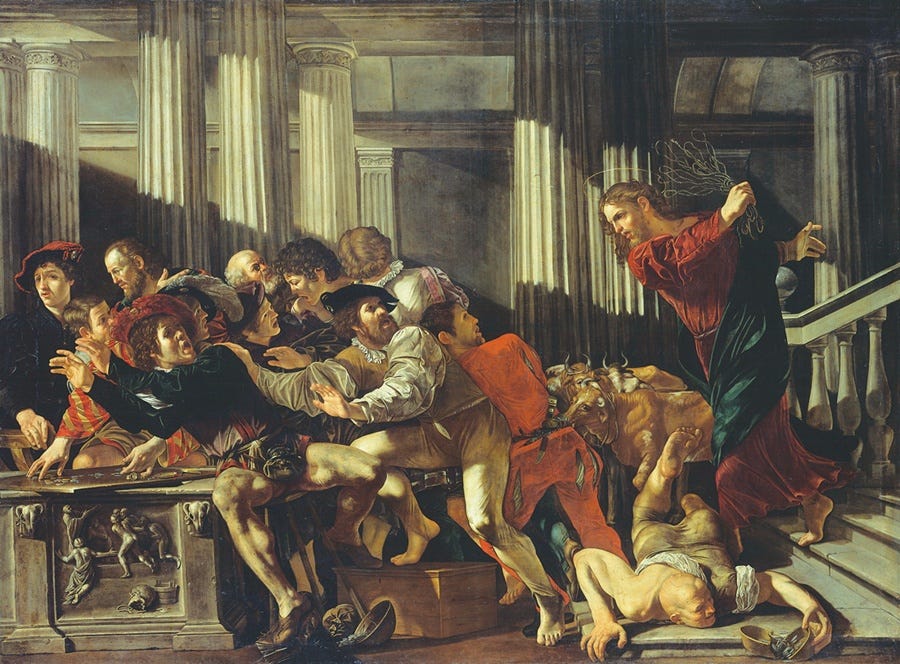
“Money, not morality, is the principle of commercial nations.”
— Thomas Jefferson, 1810
“MAMMON, n. The god of the world’s leading religion. The chief temple is in the holy city of New York.”
— Ambrose Bierce, 1906
Society, in its haste to worship the rich, has conflated wealth and morality.
We seem too eager to grant carte blanche to any moral transgressors, offering them special dispensation as readily as the Cardinal of the Diocese of Boston allows Catholics to eat corned beef on Friday March 17 during the season of Lent, as long as their offshore bank accounts have 11 figures, their company’s market cap stays in the hundreds of billions of dollars, and their yachts have room for dozens of guests, two helicopters, three speedboats, four bartenders, and a pony.
Throughout history, the tension between wealth and morality has manifested in various forms — from the venality of the Gilded Age to the current worship of oligarchs of Silicon Valley, a pantheon where their wealth affords them not only power but a moral license to act with impunity.1
Why have we allowed this to happen?
You might like this:

The Point of Prosperity
Our system of capitalism has produced more wealth and more advances for humanity than any other system. Like any system, it has flaws, but the progress we’ve witnessed has granted us longer lifespans, the ability to communicate with each other instantly around the world, and more opportunities for a greater swath of society.
Those who have mastered the alchemy of commerce are rewarded richly, in some cases ascending from a lower class to the throne of aristocracy — a social ranking not defined by birth or nobility, but by the cold, impersonal forces of capital.
