


Welcome to Off the Clock — where we step away from the urgent and indulge the enduring.
Every other Saturday, I send a private note to subscribers exploring the curious corners of language, history, and the words we think we know—but don’t.
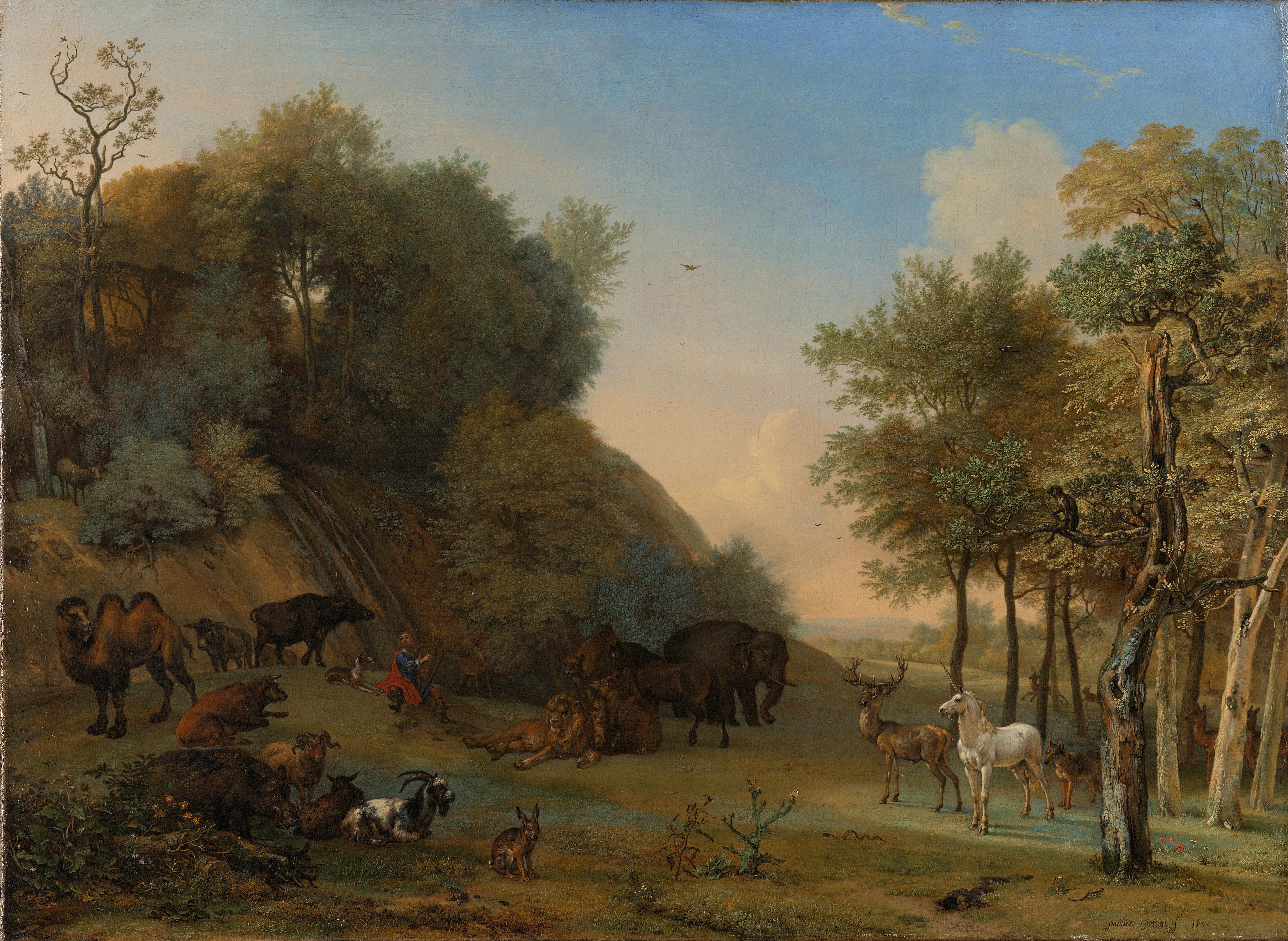
“Everything is music for the born musician. Everything that vibrates, stirs, and palpitates, sunlit summer days, nights when the wind whistles, the light that flows, the twinkling of stars, storms, birdsong, the buzzing of insects, the stirring of trees.”
— Romain Rolland, 1904
Earlier this week, we had a musical interlude with John Williams, applying his collaboration style with some of the principles behind Working Together.
Now, were doing a variation on a theme and heading to the side-door of music1 to connect music and language.
Music predates the spoken word. Before humans agreed on names for things, they sang. The oldest instruments we have found — bone flutes carved from vulture wings, some 40,000 years old — tell us that the impulse to organize sound into meaning is not a late refinement of civilization but one of its foundations. Pythagoras heard mathematics in harmony and believed that the universe itself moved according to musical ratios.
We speak of music as a universal language, which is true enough, but also incomplete. Music is not merely like language; in many ways, it is language. It has structure and syntax, phrasing and punctuation. A melody travels where words cannot — across borders, across generations, across moments when speech fails us entirely.
What’s remarkable is not just that music communicates, but that it connects. A song heard at the right moment becomes a kind of shorthand between people: you hear this, too. You feel this too.
Verbal and written language, by contrast, is a relative newcomer: powerful, and in certain respects a poorer cousin of music. Precise in a way that we can all agree on definitions; imprecise when taken out of context.
But perhaps the deepest evidence that music is a language is this: it has given us words we cannot do without. Music’s influence can be felt in terms so embedded in the way we describe conflict and cooperation, pace and proportion, that we no longer hear the melody behind them. We have become fluent in musical metaphor without ever having studied the instrument.
“What most people relish is hardly music; it is rather a drowsy reverie relieved by nervous thrills.”
— George Santayana, 1905
Musical Terms in Our Language
To read the full breakdown of how these terms shape our reality, upgrade to a paid subscription to the & Guild.2
Our & Guild members get:
Off the Clock editions about words and language, every other Saturday
The reflective Sunday Journal, to start the week out quietly every other Sunday
Additional essays
Full access to the Archives of Timeless & Timely
