

How You Enter the Room Explains a Lot About You
It’s the difference between being around someone who energizes us versus someone who exhausts us.
“Tardiness is next to wickedness in a society relentless in its consumption of time as both a good and a service—its value measured not by its texture or its substance but by the speed of its delivery.”
— Lewis H. Lapham, 2014
I prefer it when meetings begin on time. It’s orderly and shows respect to a commitment made to others. Of course, there is always the chance of a late arrival, despite our sincere intentions.
This isn’t meant to be a screed against the evils of tardiness; we are all human and any number of obstacles can prevent us from a timely arrival, even with the best planning. Rather, consider what happens when someone walks into a room where a meeting is already in progress.
Finding Respect
The principle that sits at the heart of every great team, every enduring culture, every relationship worth having: respect is not declared. Respect is demonstrated — in small moments, ordinary gestures, and the quiet choices no one is officially watching.
Some people enter a room and read the situation before doing anything else. They notice who is speaking. They sense the energy. They find a place to settle without disturbing the flow. Their presence adds to the room rather than redirecting it. You may not even remember exactly when they arrived — only that somehow things felt a little more settled after they did.
Others walk in and the room reorganizes around them. Not because anyone chose that. Not because they asked. Simply because their arrival announces itself — in volume, in movement, in the gravitational pull of their need to be at the center. They don’t read the room. They rewrite it.
The Chair Theory
This is the Chair Theory — and while it sounds almost too simple to be useful, I’d argue it’s one of the most precise diagnostics for social and emotional intelligence I’ve encountered.
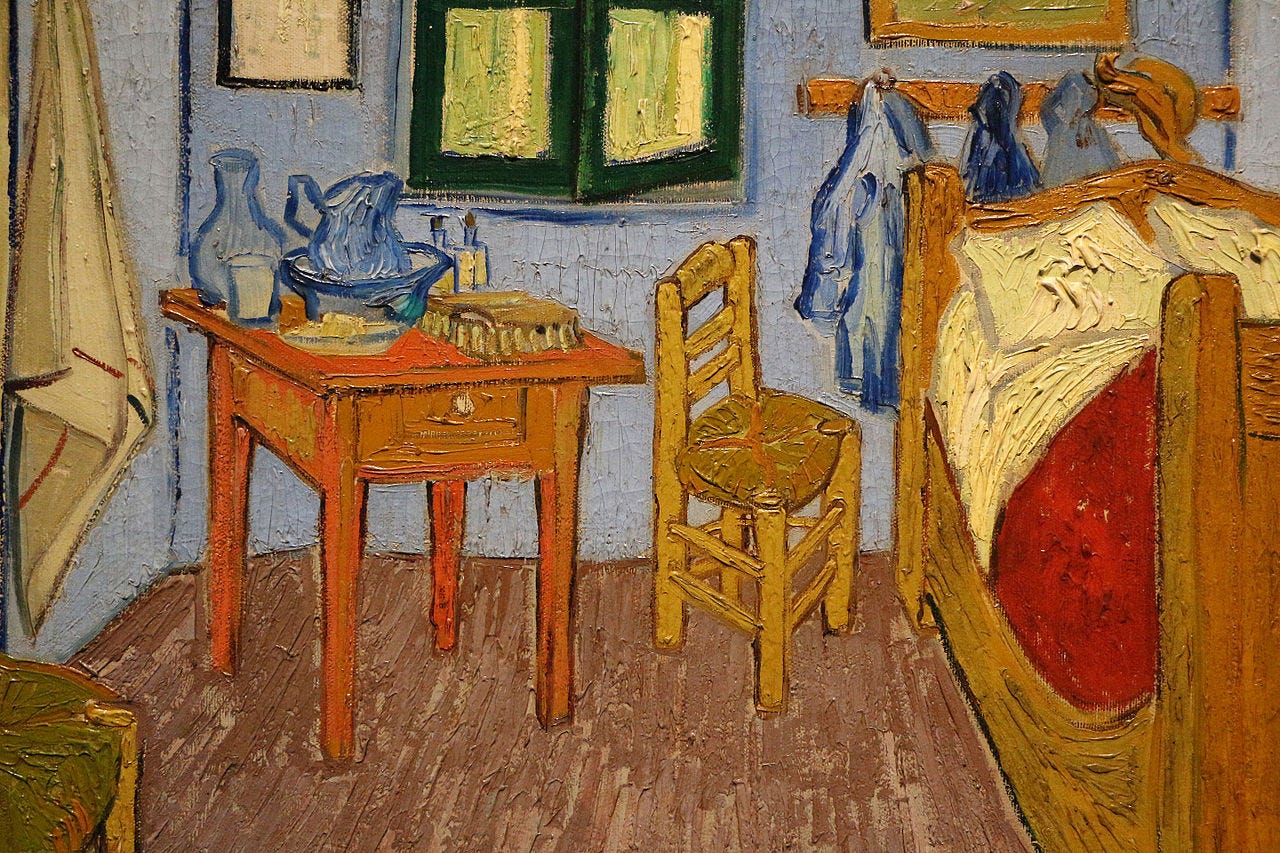
If someone arrives late and needs a chair, how do they bring it over? Do they pull up a chair thoughtfully, or do they drag a chair over loudly? The way a person pulls up a chair tells you a great deal about how they understand the concept of collaboration.
The Working Together Leadership and Management System is built, at its core, on love and humility — and I mean that without apology or sentimentality.
Love in this context means genuinely caring about the people around you: their contributions, their presence, their well-being. Humility means accepting that the room you just walked into was already complete before you arrived. Treating everyone with dignity and respect is the hallmark of leader humility.
Together, those two dispositions produce something rare in organizational life — a leader whose first instinct upon entering a space is to listen, to honor what’s already there, and to ask how they can serve rather than how they can lead.
Little Gestures with Big Impacts
What’s striking about the Chair Theory is that it demonstrates that we can find respect in micro-decisions rather than in grand gestures. The leader who tries to understand before trying to be understood. The executive who enters a meeting and asks questions before offering answers. These are not dramatic acts of virtue. They are habits of orientation — the daily practice of treating shared space as genuinely shared.
The alternative is more common than we like to admit. We’ve all been in rooms with the loud chair dragger — and if we’re honest, we’ve all been the loud dragger at some point. The instinct to make our presence felt, to ensure we aren’t overlooked, to claim territory before someone else does — these are deeply human impulses.
The question is whether we’ve done the work to notice these behaviors in ourselves before they cost us the trust of others.
Because that’s the quiet tax that chair-draggers pay over time. People start bracing for their arrival. Conversations pause when they enter. Candor retreats. The room becomes a performance, and the leader who needed to be at the center ends up, paradoxically, surrounded by people who are mentally sidelining them.
Respect, practiced consistently, does the opposite. It creates the conditions for honesty, for contribution, for the kind of collaboration that actually moves things forward.
It signals: I see you. I’m not here to overpower the room. I’m here to be part of it.
The best leaders I’ve observed share this quality. They are comfortable arriving without announcing themselves. Their authority doesn’t depend on the room reorganizing in their direction. They integrate.
How you find a seat may seem like a small thing, but in reality, it’s a barometer of what you stand for.
There’s so much to learn,
My pet peeve is when the chair dragger comes into the room late and then forces a replay of everything we've just heard and discussed so they can 'catch up'. And you can bet in an age of copilot facilitator they'll also be the last people to train themselves in how to read the notes.
Yes…a friend described the effect as the difference between people appearing with a “Here I am! “ attitude and a “There you are!” attitude.